Understanding Fill and Base for Your Bentonville Site
Published July 1, 2026
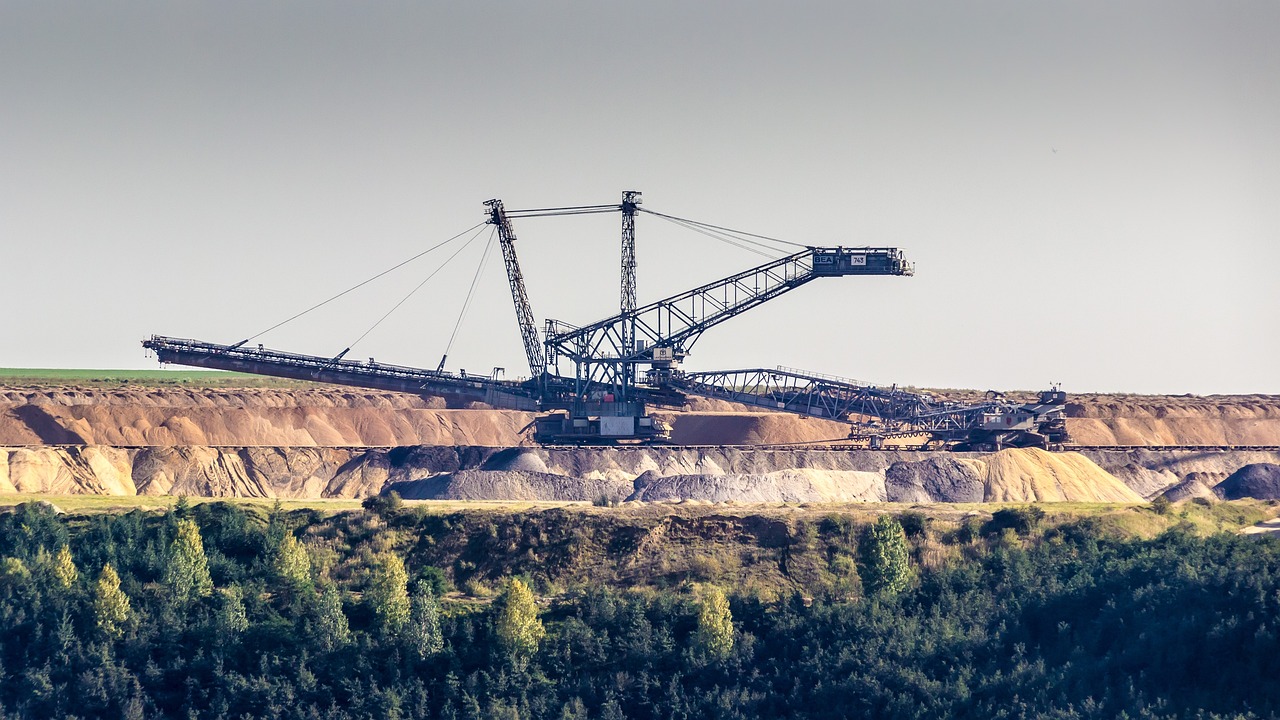
The word “dirt” hides a lot of important differences. On a real excavation job the material you place matters as much as the machine that moves it, and putting the wrong stuff in the wrong spot is one of the most expensive mistakes a Bentonville site can make. Here is a plain-language walk through the material choices behind a solid lot.
Fill Dirt Versus Structural Fill
Fill dirt fills a void. It is fine for raising a low spot in the yard, backfilling a landscape area, or bringing a rough grade up. What it will not do is carry a load. Structural fill is engineered material placed in controlled lifts and compacted to about ninety-five percent of maximum dry density, and that compaction is what lets it support a footing or a slab. If a pad is built on loose fill, it settles, and the crack shows up in the concrete a year later.
What Aggregate Base Actually Does
Crushed aggregate base is angular crushed stone that locks together when compacted, which makes it the go-to subbase under a driveway, a gravel road, or a paved surface. It drains well and spreads load. It is a different material from fill for a different purpose, and paying for stone where plain fill would do is a common way budgets creep. Our site preparation and grading work sorts out which layer goes where before anything gets ordered.
Why Geotextile Fabric Earns Its Keep
On the soft or clay-heavy soils around Benton County, a layer of geotextile separation fabric between the subgrade and the aggregate base keeps the two from mixing. Without it, stone slowly pumps down into soft soil under traffic and the base thins out. The fabric is cheap insurance that keeps a driveway subbase doing its job for years.
Topsoil Comes Last
Screened topsoil is not a structural material at all, and it belongs on top after the grading and compaction are done. It goes back on for the finish grade so the site can be seeded or sodded. Placing it too early, under areas that will carry load, just creates soft spots you have to dig back out.
Get the Material Plan Right First
The cheapest way to handle material is to plan it before the machines arrive: what gets stripped, what gets compacted, what gets hauled in, and what goes back on top. That plan is part of every walk-through we do. If you are weighing a project, contact us and we will read your site and lay out the material and machine time in writing.
Planning site work in the Bentonville area? Call Seahaveninc at (479) 408-2593 for a free estimate.
Need help in Bentonville?
Call (479) 408-2593